Testosterone Booster Side Effects to Know

Quick Answer: Do Testosterone Boosters Have Side Effects?
Yes. The common herbal testosterone booster side effects are usually mild and uncommon, but they are not zero. Most reports involve changes to sleep, a mild shift in heart rate from stimulant co-ingredients, or stomach upset. The bigger risks are specific: liver caution with Fadogia, and herb-drug interactions if you take medication.
- Mild and common: altered sleep, mild heart-rate change, GI upset, usually dose-related.
- Specific cautions: Fadogia and the liver; interactions with blood thinners, sedatives and blood-pressure drugs.
- Red flag: any product promising “zero side effects” is marketing, not safety.
Why side effects are the smart thing to read first
Most buying guides open with a benefit, and this one will get there. But the more useful place to start is the objection almost every careful shopper has and few product pages answer honestly: what are the testosterone booster side effects, and who is most likely to run into them? Getting a clear answer to that up front is what lets you buy with confidence rather than crossing your fingers, and it is the difference between a product you take consistently for a fair trial and one you abandon after the first unsettled night.
Here is the framing that makes the rest of this article make sense. A supplement worth taking is biologically active, and anything biologically active enough to do something can, in some people, do more than one thing. That is not a scandal; it is basic pharmacology, and it applies to coffee and to fish oil as much as to a botanical men's formula. The goal is never a substance with literally no possible effects, because that substance would by definition be inert. The goal is a formula whose likely effects are mild, well understood, printed openly, and easy to manage. That is a standard you can actually hold a product to.
Testosterone booster side effects: what the common ingredients actually do
Start with the reassuring part, because it is true. Across the widely used botanical ingredients in this category, the side effects reported in human studies and in real-world use are mostly mild, uncommon, and closely tied to dose and to how the capsule is taken. Three show up more than the rest.
Changes to sleep and alertness. This is the most frequent report, and it usually has nothing to do with hormones. Many boosters include stimulant or energising co-ingredients, from added caffeine to herbs marketed for drive, and taking those late in the day can leave people wired at night. Ashwagandha, by contrast, tends to run the other way and can make some users feel calm or drowsy. Neither is dangerous in a healthy adult; both are reasons to pay attention to timing and to read the full panel rather than the headline.
Mild heart-rate or jittery feelings. Where a formula leans on stimulants, a modest bump in heart rate or a jittery, over-caffeinated sensation is the predictable trade-off. It is the same effect a strong coffee produces, and it matters most for people who are caffeine-sensitive or who already run a high resting heart rate.
Digestive upset. Capsules of concentrated plant extract can cause nausea, loose stools or stomach ache, particularly on an empty stomach or at the top of the dose range. This is usually the easiest side effect to solve: take the product with food, and it often disappears entirely.
The honest summary of this group is that they are real, they are manageable, and they are the price of a formula doing anything at all. If you want the mechanism behind why these ingredients act indirectly in the first place, our explainer on the three pathways a testosterone booster is proposed to work through lays out where each ingredient is meant to act, which in turn tells you where its side effects come from.

Safety starts with a label you can actually read
You cannot weigh a side effect against a dose that is hidden. The Horsewood panel lists every ingredient and the amount per serving, so you can check each one against the cautions on this page before you commit.
See the Horsewood ingredient panelThe Fadogia agrestis liver caution you should not skip
Not every side effect belongs in the mild bucket, and honesty means naming the exceptions clearly. Fadogia agrestis is the clearest one. It has become a fashionable inclusion because of a handful of striking animal results, but its human safety record is genuinely thin, and there are documented case reports and animal signals raising concern about liver stress at higher intakes.
What that means in practice is simple. Fadogia is an ingredient to approach with more caution than the mineral-and-adaptogen core of the category, to keep to conservative amounts, and to avoid stacking with alcohol or with other things that tax the liver. It is also a strong argument for reading the label rather than the front of the bottle, because a product can hide a large dose of a poorly studied herb inside a proprietary blend. We cover exactly how that concealment works in our guide to reading a supplement label and decoding proprietary blends, and it is worth reading before you buy anything containing Fadogia. If you want the fuller picture of what the evidence for that specific ingredient does and does not support, the companion piece on what the Fadogia agrestis testosterone evidence actually says goes deeper.
Herb-drug interactions worth flagging
The word natural does a lot of quiet damage here. It leads people to assume that a botanical cannot interact with a medication, when the opposite is often true: plants are chemistry, and some of the ingredients in this category act on the same systems that common drugs target. The interactions worth knowing are these.
Blood thinners. Several herbs can affect clotting or platelet function, so anyone taking warfarin or similar medication should treat a men's botanical formula as something to clear with a clinician first, not a free addition.
Blood-pressure and diabetes medication. Stimulant co-ingredients can push blood pressure up, working against antihypertensive drugs, while some botanicals may lower blood sugar and add to the effect of diabetes medication. Both are reasons to monitor rather than assume.
Sedatives and thyroid medication. Ashwagandha can add to the drowsiness of sedatives and may interact with thyroid medication by nudging thyroid hormone levels. Neither interaction is exotic; both are the kind of thing a pharmacist checks for in seconds if you show them the panel.
The rule that covers all of these is short. If you take any prescription medicine, if you are due for surgery, or if you have a diagnosed liver, kidney, heart or thyroid condition, show the full ingredient list to your doctor or pharmacist before starting. That single step neutralises most of the real risk in this category.
The common side effects at a glance
| Effect | Usual trigger | How common | What usually fixes it |
|---|---|---|---|
| Trouble sleeping / feeling wired | Stimulant co-ingredients taken late | Fairly common | Dose earlier in the day |
| Drowsiness / calm | Ashwagandha and similar adaptogens | Occasional | Shift dose to evening |
| Mild heart-rate rise / jitters | Caffeine or stimulant herbs | Occasional | Lower dose, avoid other caffeine |
| Stomach upset / nausea | Concentrated extract on empty stomach | Occasional | Take with food |
| Headache | Varies; often stimulant-related | Uncommon | Hydration, lower dose |
| Liver stress signals | Fadogia at higher intakes | Rare but serious | Avoid high doses; medical review |
Read that last row differently from the others. Almost everything above is a comfort problem you can adjust away in an evening. The Fadogia line is the one where the fix is caution before the fact rather than a tweak after it.
Why “zero side effects” is a red flag, not a selling point
Somewhere on the internet right now a product page is promising a testosterone booster with no side effects whatsoever. Treat that promise the way you would treat a used-car listing that says the engine will never fail. It is not a description of the product; it is a description of what the seller thinks you want to hear.
The logic is airtight and worth internalising. An ingredient can only be free of every possible side effect if it is also free of every possible effect. The two are the same coin. So a formula that could truthfully promise nothing would be a capsule of filler, and a formula that does something worth paying for cannot make that promise honestly. When a page leans on the phrase, it is substituting reassurance for the two things that actually indicate safety: a transparent panel with real amounts, and a plainly stated list of who should be careful.
A product that names its cautions is safer to buy than one that swears it has none. The first is describing reality; the second is managing you.
This is also why the regulatory framing matters. These products sit on an over-the-counter shelf precisely because they are not permitted to make drug claims, and that shelf sets limits on what any of them can promise. If that distinction is new to you, our explainer on what over-the-counter really means for a testosterone booster covers why an OTC label is a legal category rather than a safety guarantee.
Who should be extra cautious
Side effects are not distributed evenly. The same formula that is unremarkable for one man is a bad idea for another, and knowing which group you are in matters more than any average from a study.
Be more careful, and ideally get medical sign-off first, if you take any prescription medication, if you have a diagnosed liver, kidney, heart, or thyroid condition, if you have a bleeding disorder or a surgery scheduled, or if you have a hormone-sensitive condition. Anyone under eighteen should not use these products, and they are formulated and marketed for men rather than for people who are pregnant or breastfeeding. None of this is a scare list. It is simply the set of situations where an interaction or an underlying condition changes the maths, and where a five-minute conversation with a clinician replaces guesswork with a clear answer.

How to lower your risk in practice
The good news buried in all of this is that the everyday testosterone booster side effects are among the most manageable in the supplement world, because you control most of the levers. A short routine covers almost all of them.
Start at the lower end of the dose rather than the top, and give your body a week to adjust before increasing. Take the capsules with food to head off the most common stomach complaints. If the formula contains stimulants, take it in the morning; if it leans on ashwagandha, the evening may suit you better. Skip additional caffeine on the days you dose a stimulant formula. Read the whole panel before your first serving, not after a bad reaction, and match each ingredient against the cautions above. And build in periodic breaks rather than taking anything continuously for years without review, a habit that also happens to be central to the cycling question we cover in the piece on whether testosterone boosters need cycling and how to schedule a break. Above all, if something feels wrong, stop and reassess rather than pushing through, and get advice if a symptom persists.
Where Horsewood fits the safety picture
Horsewood is a botanical capsule formula rather than hormone therapy, which places its side-effect profile squarely in the mild, dose-related group described above rather than the drug end of the spectrum. It is intended to support normal function in healthy men, and it carries the same honest caveats as every other product in the category: effects vary between individuals, the human evidence for botanical boosters is modest, and no supplement is intended to diagnose, treat, cure, or prevent any disease.
What a buyer can reasonably demand, and what makes the difference between a confident purchase and a gamble, is a panel that prints amounts in full so you can check each ingredient against this page, plus claims that stay inside what the evidence supports. That is the standard worth holding any product to, and it is the one that turns a list of possible side effects from a reason to worry into a reason to shop carefully.
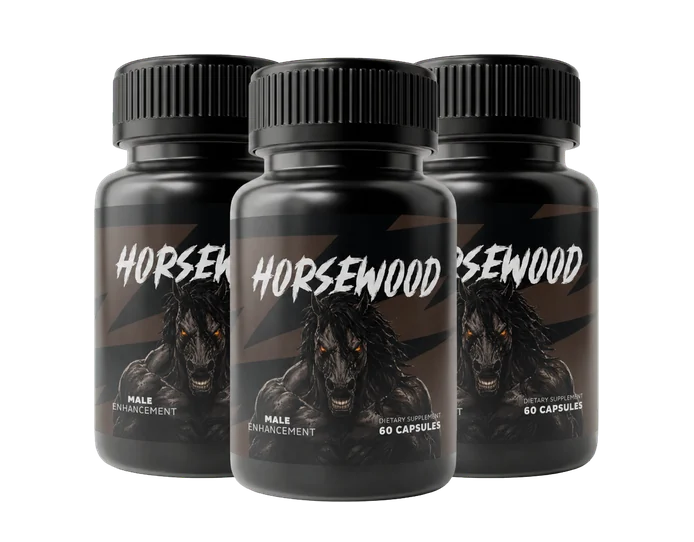
Check the doses, then decide with your eyes open
Full ingredient list, per-serving amounts, and current pack options, so you can weigh every ingredient against the cautions on this page before you spend anything.
View Horsewood pack optionsCommon questions
Do testosterone boosters have side effects?
Yes, though for the common herbal ingredients they are usually mild and uncommon. The reports that turn up most often are changes to sleep, a mild shift in heart rate from stimulant co-ingredients, and stomach upset when capsules are taken on an empty stomach. Serious effects are rare with well-formulated botanical products, but rare is not the same as never, which is why the honest answer is that side effects exist and are worth reading about before you buy.
Are natural boosters safe long term?
For most healthy adults, the widely studied ingredients such as ashwagandha, tongkat ali and boron have a reassuring short-to-medium term safety record at label doses. The honest limitation is that long-term human data beyond a few months is thin for almost everything in this category, so nobody can promise multi-year safety with confidence. A sensible approach is periodic breaks, attention to how you feel, and a conversation with your doctor if you intend to take anything continuously for many months.
Can boosters interact with medication?
They can. Herbal ingredients are not inert, and several can plausibly interact with blood thinners, blood-pressure and diabetes medication, sedatives, and drugs processed by the liver. Ashwagandha may add to the effect of sedatives and thyroid medication, and stimulant co-ingredients can push against blood-pressure control. If you take any prescription medicine, the correct step is to show the full ingredient panel to your doctor or pharmacist before starting, rather than assuming a natural label means no interaction.
Are 'no side effects' claims trustworthy?
No. A blanket promise of zero side effects is a marketing red flag rather than a safety feature. Anything biologically active enough to affect the body can affect it in more than one way, so a product that genuinely did nothing would be the only one able to promise nothing. Trustworthy pages describe who should be cautious and list amounts in full; pages that lean on the phrase no side effects are usually selling reassurance rather than transparency.
Related reading
References
- National Center for Complementary and Integrative Health. Ashwagandha: what the science says. nccih.nih.gov
- National Institutes of Health, LiverTox. Herbal and dietary supplements and liver injury. ncbi.nlm.nih.gov
- Leitão AE, Vieira MCS, Pelegrini A et al. A 6-month, double-blind, placebo-controlled, randomized trial of Eurycoma longifolia (tongkat ali) with concurrent training in men. Maturitas, 2021. PubMed 33541567
- Coope OC, Willems MET, Levington A et al. Safety and tolerability of standardised ashwagandha (Withania somnifera) root extract in healthy adults: a systematic review. Pharmaceuticals, 2026. PubMed 42198398
- U.S. Food and Drug Administration. Dietary supplements: what you need to know. fda.gov
- Mayo Clinic. Testosterone therapy: potential benefits and risks as you age. mayoclinic.org