Can You Buy Testosterone Booster Over the Counter? What OTC Really Means

Quick Answer: Can You Buy Testosterone Booster Over the Counter?
Yes, you can buy a testosterone booster supplement over the counter, and no, you cannot buy testosterone. The two are entirely different things: boosters are dietary supplements made of vitamins, minerals and plant extracts that are sold without a prescription because the law treats them as foods, while testosterone itself is a controlled substance that requires a prescription and medical supervision in the United States. Buying freely also means nobody checked the product before it reached the shelf, so the burden of verification sits with you.
- Legal to buy: booster supplements, in pharmacies, supermarkets and online, no prescription needed.
- Not legal to buy: testosterone in any form, from any website offering it without a prescription.
- What OTC does not mean: approved, tested for potency, or proven to work. None of those follow from being on a shelf.
What "over the counter" actually means for a supplement
The phrase is borrowed, and the borrowing causes the confusion. In pharmacy language, an over-the-counter drug is a medicine that a regulator has assessed and permitted to be sold without a prescription: ibuprofen, antihistamines, nicotine patches. Those products went through a formal process, carry a Drug Facts panel, and are allowed to state on the box what condition they treat.
A testosterone booster is not that. It is a dietary supplement, and dietary supplements occupy a separate legal category created in the United States by the Dietary Supplement Health and Education Act of 1994. They carry a Supplement Facts panel rather than a Drug Facts panel. They do not require approval before they are sold. The manufacturer, not the regulator, is responsible for making sure the product is safe and the labelling is truthful, and enforcement generally happens after a product is already on sale.
So the question — can you buy testosterone booster over the counter — has an accurate answer in two halves. Yes, in the everyday sense: nothing stands between you and the checkout. But it is not "over the counter" in the pharmacy sense, because it never went through the process that phrase implies. It sits on the shelf next to vitamins, not next to the pain relief aisle, and the difference in oversight between those two aisles is considerable.
Testosterone itself is a different legal object entirely
This is the line that matters most, and the one that some marketing works hard to blur. Testosterone is a Schedule III controlled substance in the United States. It is prescribed as a gel, patch, injection or implanted pellet, it requires a diagnosis supported by blood testing, and it is monitored over time because it carries real considerations around fertility, red blood cell counts and cardiovascular risk that need supervision.
No supplement on any shelf contains it. A product that did would not be a supplement, it would be an unapproved drug, and it would be removed. This distinction also explains why every honest page in this category uses careful verbs. A supplement may support normal hormone production. It does not replace a hormone, and it is not a medical intervention for any condition, including clinically low testosterone.
If a site offers you testosterone itself with no prescription, no consultation and no testing, the correct response is to close the tab. That is not a shortcut around a system, it is a warning sign about everything else that seller is willing to do.
If you are shopping the supplement side of the line
Everything below applies to products like this one: a botanical formula sold without a prescription, where the panel is the only thing standing in for oversight. If you are working out where to buy a testosterone booster whose panel actually prints its amounts, the Horsewood formula and pack options are set out in full.
See the Horsewood pack optionsFour claims that sound regulatory and are not
Once you know the categories, a whole vocabulary of borrowed authority becomes visible.
"Prescription strength." There is no such grade for a dietary supplement. No agency assigns it, no definition governs it, and the phrase exists purely to make a capsule sound like a pharmaceutical.
"Pharmaceutical grade" or "medical grade." These have no fixed legal meaning in the supplement context either. A manufacturer may be describing genuine quality standards, or may be describing nothing. Without third-party certification you cannot tell which.
"FDA approved." Supplements are not approved. Manufacturing facilities are subject to Good Manufacturing Practice requirements and can be inspected, and that is worth something, but it is not product approval and it is not a verdict on whether the formula works. A registered facility can produce a useless product perfectly.
"Clinically proven." Usually this means one ingredient among ten has a study behind it, frequently at a dose the finished product does not contain, and often in a population unlike the buyer. Proven is a strong word doing thin work.
Being available without a prescription is a fact about the law, not a finding about the product. The shelf is not a certificate.
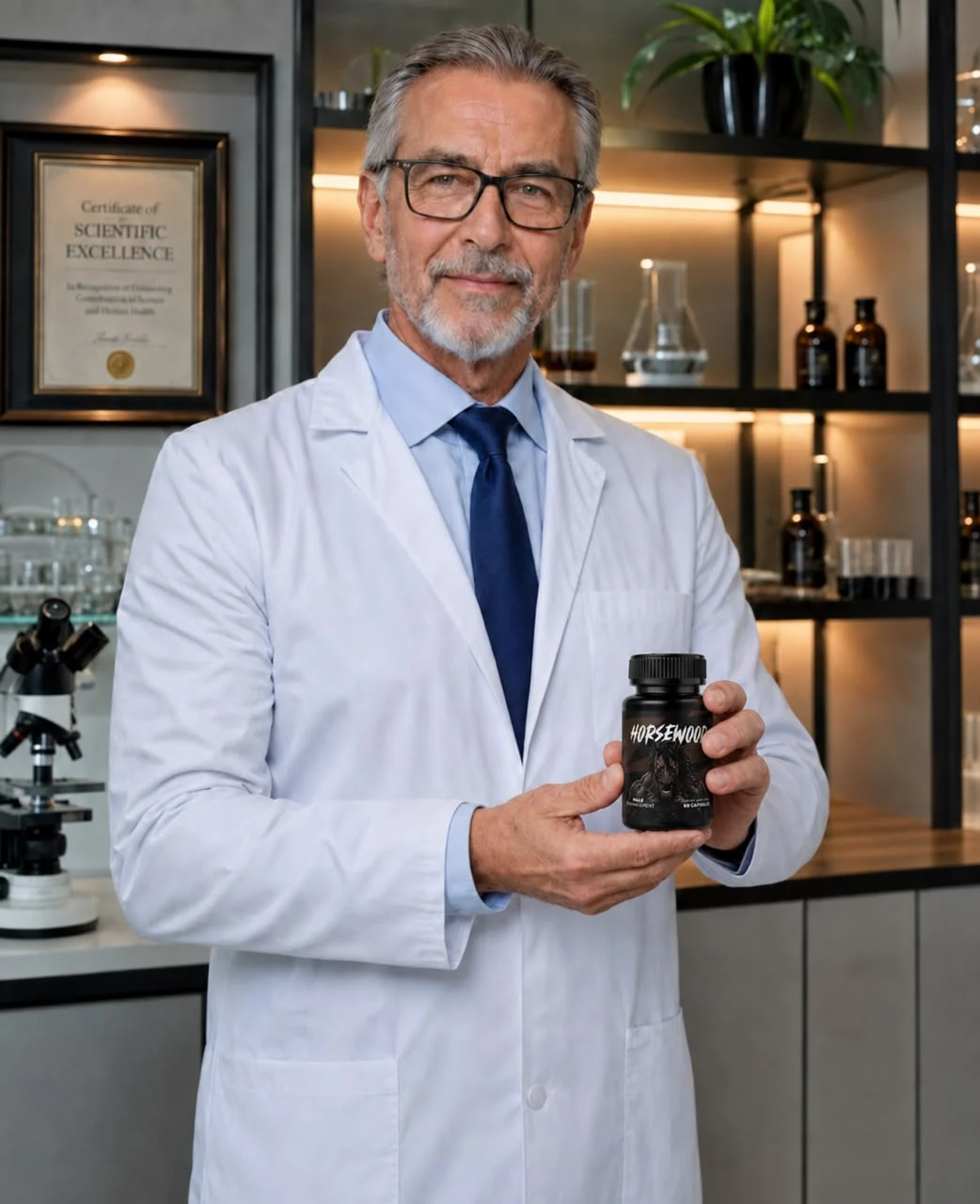
Three routes compared: prescription, supplement, and the free stuff
| Route | How you get it | Oversight before sale | What it may claim | Strength of evidence |
|---|---|---|---|---|
| Prescription testosterone therapy | Diagnosis, blood tests, ongoing monitoring | Full drug approval and controlled-substance scheduling | Named medical indications | Strong, for the diagnosed condition |
| Booster supplement, single nutrient | Open shelf or online, no prescription | None before sale; manufacturer is responsible | Structure and function support claims only | Moderate where a deficiency exists |
| Booster supplement, botanical blend | Open shelf or online, no prescription | None before sale; manufacturer is responsible | Structure and function support claims only | Small trials, mixed results |
| Sleep, training, body composition, alcohol | Free, and unglamorous | Not applicable | Not applicable | Consistent and often underrated |
| Testosterone sold with no prescription | Grey-market websites | None, and illegal to sell this way | Nothing you should believe | Unknown contents, real risk |
The fourth row is the one most pages leave out. Restricted sleep has been shown in controlled work to lower daytime testosterone in healthy young men, and excess body fat, heavy alcohol intake and chronic under-recovery all pull in the same direction. None of that is for sale, which is precisely why it gets so little airtime.
What buying freely does not guarantee
Here is the honest cost of the open shelf, stated plainly.
Nobody checked the product before it reached you. Independent testing programmes have repeatedly found supplements whose contents did not match their labels, in both directions: less of the named ingredient than claimed, or something present that was never declared. Men's products marketed around sexual performance have been a recurring problem area, with undeclared prescription drug analogues found in some seized products. That is a small share of the market, but it is not zero, and it is exactly the risk that pre-market approval would otherwise catch. It also shapes how you should read a shortlist, which is the subject of what actually matters when you buy a testosterone booster.
Nobody verified that it works. Support claims require some substantiation but not the evidence standard a medicine faces. Weak evidence and strong packaging can coexist quite happily.
Nobody assessed it for you specifically. Supplements interact with medications. Some botanicals affect liver enzymes that process prescription drugs, and anyone taking blood thinners, blood pressure medication, diabetes medication or hormone therapy should have that conversation with a pharmacist rather than a product page.
And nothing on the shelf substitutes for a blood test. Symptoms attributed to low testosterone overlap almost entirely with those of poor sleep, thyroid problems, depression, anaemia and simple overwork. The only way to know is a morning blood draw, usually repeated, interpreted by a clinician. Buying a booster instead of getting tested is the single most common mistake in this category, and it can delay finding a cause that has nothing to do with hormones at all.
What to check before you buy one anyway
Can you buy testosterone booster over the counter with no gatekeeper at all? Yes, and that is exactly why the checking falls to you. Assume you have decided to try one. This is the shortlist that separates a defensible purchase from a decorative one.
- Per-ingredient amounts, not a blend total. If the panel says "Proprietary Blend 1,200 mg" you cannot compare it to any study, and comparison is the entire point.
- Doses inside the studied range. Look up the ingredient, find the amount used in human research, and see whether the product is close. Many are not.
- Third-party certification. NSF Certified for Sport, USP Verified and Informed Sport marks mean an outside laboratory confirmed identity and purity. Rare here, meaningful when present.
- Sane claims. A label promising to undo years of decline has told you it is not playing by the rules that govern it.
- A seller you can contact. Refund terms, a real address and a support channel matter more than the badge count on the sales page.
Applied consistently, that list is also how to compare candidates for the best over the counter male testosterone booster without relying on ranking pages, which are usually ordered by commission rather than by evidence. It is slower than reading a top-ten list and it is the only method that tells you something true.
When the answer is a clinician rather than a shelf
Some situations deserve a professional and not a purchase. Persistent fatigue that sleep does not fix, loss of morning erections, reduced body hair, hot flushes, unexplained loss of muscle, low mood that will not lift, or fertility difficulties are all reasons to be examined rather than to self-treat, and we set out the signs of low testosterone and when a blood test is worth asking for separately. So is being on medication that affects hormones, having a history of testicular injury or surgery, or noticing symptoms that appeared suddenly rather than drifting in over years.
A supplement is a reasonable thing to try when your bloods are normal, your habits are broadly sound, and you want to support what is already working. It is a poor substitute for finding out why something changed.
Where a botanical formula fits into all this
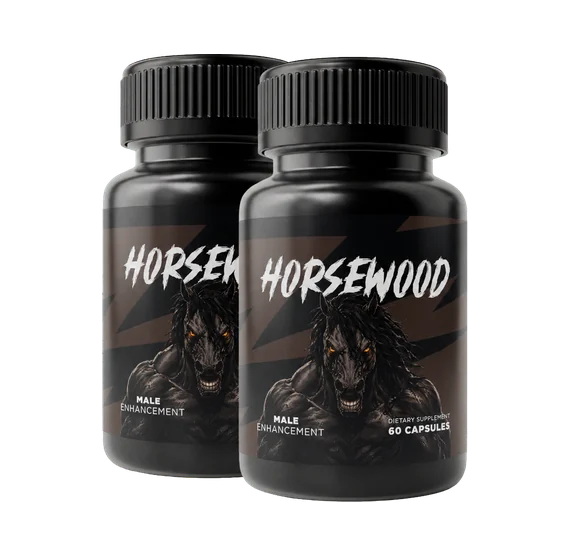
Horsewood sits squarely in the third row of that table: a plant-extract capsule formula, sold without a prescription, making support claims and no medical ones. That is the whole category it belongs to, and describing it accurately matters more than describing it flatteringly. It is not hormone therapy, it does not contain testosterone, and it will not fix a diagnosed deficiency.
What it can do is be checkable. The formula prints per-ingredient amounts, which is the one thing the open shelf does not give you automatically. If you want to go a layer deeper into what those ingredients are supposed to be doing, our companion piece on the three pathways testosterone boosters are proposed to work through walks through the mechanisms and how much evidence each one actually carries.
Checked the label and want the full picture?
Complete ingredient breakdown, per-serving amounts and current pack options, with nothing buried in a blend total. Useful if you are still deciding where to get a testosterone booster you can actually verify.
View Horsewood pack optionsCommon questions
Can you buy testosterone booster over the counter without a prescription?
Yes. Booster supplements are sold freely in pharmacies, supermarkets and online because they are regulated as foods rather than medicines. Testosterone itself is different: it is a controlled substance in the United States and requires a prescription and medical supervision.
Are over the counter testosterone boosters safe?
Most of the common ingredients are well tolerated by healthy adults at label doses, but safe is not the same as verified. Supplements are not approved before sale, so quality depends on the manufacturer. Third-party certification marks such as NSF or USP are the most practical signal a buyer has.
Do pharmacies sell real testosterone without a prescription?
No. A pharmacy may stock booster supplements on the open shelf, but actual testosterone in gel, injection or pellet form is dispensed only against a valid prescription. Any website offering testosterone itself with no prescription is operating outside the law.
What does prescription strength mean on a supplement label?
In this category it means nothing at all. There is no regulatory grade called prescription strength for a dietary supplement, and no agency assigns one. It is marketing language chosen to borrow authority from the medical system.
References
- National Institutes of Health, Office of Dietary Supplements. Dietary supplements: what you need to know. ods.od.nih.gov
- Mayo Clinic. Testosterone therapy: potential benefits and risks as you age. mayoclinic.org
- Harvard Health Publishing. Is testosterone therapy safe? Take a breath before you take the plunge. health.harvard.edu
- Tucker J, Fischer T, Upjohn L, Mazzera D, Kumar M. Unapproved pharmaceutical ingredients included in dietary supplements associated with US Food and Drug Administration warnings. JAMA Network Open, 2018. PubMed 30646238
- National Center for Complementary and Integrative Health. Using dietary supplements wisely. nccih.nih.gov