Signs of Low Testosterone: When to Test

Quick Answer: What Are the Signs of Low Testosterone?
The signs of low testosterone are usually a cluster rather than a single symptom: lasting fatigue, a clear drop in libido, low or irritable mood, and reduced strength with easier fat gain. Because every one of these overlaps with sleep debt, stress and other conditions, symptoms point you toward a morning blood test rather than a diagnosis. Test first, then decide.
- Watch for a pattern: several symptoms together, lasting weeks, and actually affecting daily life.
- Confirm with a blood test: a morning sample, usually repeated, read by a clinician.
- Do not self-treat on a hunch: the symptoms are shared by many everyday causes.
What the signs of low testosterone actually feel like
Low testosterone almost never announces itself. There is rarely a single day when something switches off. Instead, the signs of low testosterone (Challenges in Diagnosis and Treatment of Male Hypogonadism, Acta Med Indones 2024) tend to arrive as a slow erosion: the workouts that used to feel routine start to feel like a grind, the interest in sex that used to be automatic becomes something you have to think about, and a mood that used to reset overnight now stays flat for days. Because the change is gradual, most men explain it away for months. A hard quarter at work, a new baby, a bad stretch of sleep, another birthday. Any of those can produce the same feelings, and often more than one is true at once.
That overlap is the single most important thing to understand before you go any further. The symptoms associated with low testosterone are almost all shared with other, more common situations. Fatigue is the symptom of nearly everything. Low libido tracks closely with stress, relationship strain, depression and certain medications. Poor concentration and low mood are the daily currency of modern overwork. This does not mean your symptoms are imaginary. It means symptoms alone cannot tell you whether testosterone is the cause, and acting as though they can is how people waste money and time.
So the useful way to read this article is as a filter. First, recognise the pattern that is worth taking seriously. Second, understand what a blood test does and when it earns its place. Third, be honest about where an over-the-counter product does and does not belong in that process. We are an independent buyer's guide, not a clinic, so nothing here is medical advice, and no supplement discussed on this site is intended to diagnose or manage any medical condition.
The symptoms worth taking seriously
Clinicians tend to group the recognised symptoms into a few buckets. You do not need to memorise them, but seeing them sorted helps you judge whether what you are experiencing looks like a coherent pattern or a single stray complaint.
Sexual symptoms. These are the ones most specifically associated with the hormone. A genuine drop in libido rather than a busy-life dip, fewer spontaneous morning erections, and reduced erectile firmness are the classic trio. Of all the symptom groups, changes here carry the most weight, particularly when low desire and low mood show up together.
Physical symptoms. Reduced strength despite training as usual, a loss of muscle definition, easier fat gain around the middle, and a general drop in physical stamina. Some men also report reduced body hair over a long period. These are slow to appear and slow to reverse, which is part of why they are easy to attribute to age alone.
Mood and cognitive symptoms. Low mood, irritability, a sense of reduced drive or motivation, and difficulty concentrating. These are the least specific of all, because they are the everyday face of stress, poor sleep and depression, and they need the most careful interpretation.
Energy and sleep. Persistent fatigue that a good night does not fix, and disrupted sleep that then feeds back into everything above. Sleep sits at the centre of this whole picture in a way we will return to, because it is both a symptom and a cause.
One symptom is noise. A cluster of symptoms that has lasted for weeks and is changing how you live is a signal worth acting on — by testing, not by guessing.
Why symptoms alone are a bad guide
Here is the uncomfortable part that most product marketing skips. Study after study has found that self-reported symptoms correlate poorly with measured testosterone. Men with low readings sometimes feel fine, and men with textbook symptoms sometimes test squarely in the normal range. If you built a decision purely on how you feel, you would be wrong a meaningful share of the time in both directions.
That is not a reason to ignore symptoms. It is the reason symptoms exist as a prompt to test rather than as a verdict. The symptoms do the job of getting you to pay attention; the blood test does the job of telling you whether testosterone is actually involved. Skipping the second step is the most common and most expensive mistake in this entire category, because it leads men to buy a product to solve a problem they have not confirmed they have.
There is a second reason the blood test matters so much: several of the conditions that mimic low testosterone are things you genuinely want a clinician to catch. Thyroid disorders, depression, anaemia, sleep apnoea, poorly controlled blood sugar and the side effects of common medications can all produce this exact symptom cluster. Reaching for a supplement without testing does not just risk wasting money. It risks papering over something that deserved a proper look.

Get the answer before you buy anything
A supplement is a support layer, not a diagnosis. If you are weighing your options after testing and a conversation with your clinician, the Horsewood page lists every ingredient and its per-serving amount, so you can judge it on the numbers rather than the packaging.
See what is in the Horsewood formulaWhen should you get tested?
The practical trigger is a pattern, not a single bad week. Consider testing when several of the symptoms above have lasted for weeks rather than days, are genuinely affecting your life, and are not obviously explained by a temporary cause you can already name. Low libido and low mood appearing together is a particularly common reason clinicians decide a test is worth running.
Timing matters more than most people expect. Testosterone follows a daily rhythm, peaking in the morning and drifting down through the day, so the standard is a sample drawn early, usually before 10am. A reading taken in the late afternoon can look low simply because of the time of day, not because anything is wrong. Fasting is sometimes requested because food can transiently lower the reading. And because a single result can be misleading — levels also dip during acute illness or a heavy period of stress — a low reading is normally repeated on a second morning before anyone reads much into it.
The table below lays out the main signs against the everyday causes they share, which is the clearest way to see why a test does the work that a symptom checklist cannot.
| Reported sign | How specific it is | Common non-testosterone causes | What it suggests |
|---|---|---|---|
| Low libido | Relatively specific | Stress, depression, medications, relationship strain | Worth testing, especially with low mood |
| Fewer morning erections | Relatively specific | Poor sleep, alcohol, vascular health | Worth noting alongside other signs |
| Persistent fatigue | Very non-specific | Sleep debt, thyroid, anaemia, overtraining | Only meaningful within a cluster |
| Low mood, irritability | Very non-specific | Depression, stress, life circumstances | Assess with a clinician, not alone |
| Lost strength, easier fat gain | Non-specific, slow | Ageing, inactivity, diet, poor recovery | Supports a pattern over time |
| One symptom in isolation | Low value on its own | Almost anything | Not a reason to self-treat |
Read the right-hand column first. The signs that push most strongly toward testing are the sexual ones, and they carry the most weight when they arrive with low mood. Everything else earns its meaning only as part of a lasting cluster.
What the blood test measures, and what a normal level means
The first-line test measures total testosterone, which is the sum of everything circulating in your blood. Most laboratories place the adult male reference range at roughly 300 to 1,000 nanograms per decilitre, though the exact figures differ by lab and by the assay used, which is one reason you should never compare a result from one lab against a cut-off you read somewhere else.
Two nuances matter. First, a number near the bottom of the range is not automatically a diagnosis, and a number comfortably inside the range does not always rule symptoms out — which is precisely why results are interpreted alongside your symptoms, age and a repeat reading rather than judged against a single line. Second, total testosterone does not tell the whole story, because much of the hormone in your blood is bound to proteins and unavailable to tissues. When results are borderline or confusing, a clinician may order free testosterone, sex hormone-binding globulin or luteinising hormone to understand the picture better. That distinction between bound and free hormone is central to how these products are marketed too, and we walk through it in our explainer on the three proposed pathways behind testosterone boosters.

Three myths that send men in the wrong direction
Once you start looking into this topic, the same misconceptions reappear everywhere. Three of them are worth naming directly, because each one nudges people away from the sensible next step.
Myth one: it is just ageing, so there is nothing to check. It is true that average testosterone declines gradually with age, on the order of a small percentage per year from roughly the thirties onward. But a slow, expected decline is not the same as a level low enough to explain disruptive symptoms, and age is not a reason to skip a test. If anything, it is a reason to have a baseline. Attributing everything to getting older can mask a treatable cause hiding underneath.
Myth two: a home saliva or finger-prick test is enough to settle it. At-home kits can be a reasonable way to raise the question, but they vary in accuracy, in what they measure and in how they are timed, and a low or borderline home result still needs confirmation with a properly timed morning venous sample interpreted by a clinician. Treat a home test as a prompt, never as the final word.
Myth three: if it is low, a booster will fix it. This is the most consequential myth of all, because it collapses two very different situations. Over-the-counter products do not contain testosterone and are not a treatment for diagnosed low testosterone. If a test and a clinician confirm genuinely low levels with symptoms, that is a medical conversation about medical options — not a shopping decision. Supplements operate at the margins of your own production, and their honest role is much narrower than the marketing implies. We cover exactly what that shelf is allowed to claim in our piece on what over-the-counter really means for a testosterone booster.
The everyday causes worth fixing before you spend a penny
Some of the most powerful levers on testosterone are not supplements at all, and they are free. This is genuinely good news, because it means part of the picture is often within your control while you arrange a test.
Sleep is the clearest example. In controlled research, restricting healthy young men to around five hours a night for a week measurably lowered their daytime testosterone. Chronic short sleep and untreated sleep apnoea are real, common suppressors. Body composition matters too: excess body fat is associated with lower testosterone, and losing weight can raise it. Sustained heavy drinking, chronic under-recovery from hard training, and prolonged high stress all push in the same direction. None of these are glamorous, and none of them can be bought in a bottle, which is exactly why they get so little airtime on product pages.
The point is not that lifestyle makes testing unnecessary — it does not — but that fixing sleep, alcohol, weight and stress is often the highest-return thing you can do, and it costs nothing. If your symptoms improve once those are addressed, you have learned something valuable before you have spent anything.
Where a supplement honestly fits into this picture
Horsewood is a daily botanical capsule built around ingredients such as tongkat ali, boron and nettle, and it is important to be plain about what that is and is not. It is a supplement, not a hormone and not a medicine, and there is no published clinical trial on the finished product. It does not diagnose low testosterone, it does not replace a blood test, and it is not a treatment for a diagnosed deficiency.
Where a formula like this has the most room to do anything is at the margins that lifestyle and nutrient status leave open — supporting men whose own production may be sitting a little lower than it could because of a genuine shortfall or a heavy stress load, rather than promising to override a normal system. If your test comes back normal and your nutrient status is fine, the honest expectation is that a supplement will do little. If you and your clinician decide it is a reasonable low-risk support layer alongside the basics, the right way to choose one is on printed per-serving amounts, not on the confidence of the label. For a clear-eyed take on the product specifically, our honest Horsewood review of whether it is worth it is the place to start.
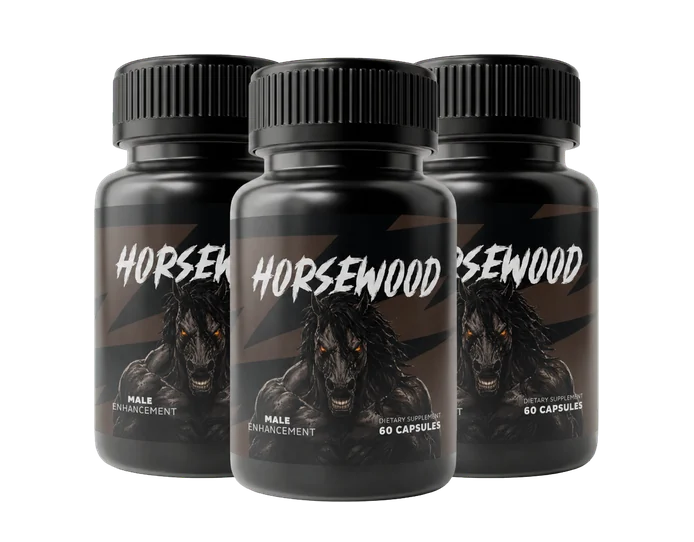
Ready to compare the formula on the numbers?
Full ingredient list, per-serving amounts and current pack options — so if you have already tested and talked to your clinician, you can judge Horsewood on what is actually in it.
View Horsewood pack optionsRelated reading
Common questions
What are the signs of low testosterone?
The most commonly reported signs are persistent fatigue that rest does not fix, a clear drop in libido, low or flat mood and irritability, and reduced strength or muscle alongside easier fat gain. Reduced morning erections, poorer sleep and difficulty concentrating are also frequently described. None of these is specific to testosterone on its own, which is exactly why a blood test is the step that turns a suspicion into an answer.
When should I get my testosterone tested?
Consider testing when several of these symptoms have lasted for weeks rather than days and are affecting your daily life, or when low libido and low mood appear together. The standard is a blood sample drawn in the morning, usually before 10am, because levels are highest then and fall through the day. Because a single reading can be misleading, clinicians normally repeat a low result on a second morning before interpreting it.
Can supplements help low testosterone?
A supplement is not a substitute for testing or for medical care, and it does not treat diagnosed low testosterone. Where a botanical formula may have more room to act is when a genuine nutrient shortfall or high stress load is dragging your own production down. If your levels and nutrient status are already fine, the expected benefit is small. Test first, speak to a clinician, and treat any formula as a support layer rather than a fix.
What is a normal testosterone level?
Most laboratories place the normal range for total testosterone in adult men at roughly 300 to 1,000 nanograms per decilitre, though the exact reference range varies by lab and by the assay used. A number near the bottom of the range is not automatically a problem, and a number in range does not always rule symptoms out. This is why results are read by a clinician alongside your symptoms, age and a repeat test rather than judged against a single cut-off.
References
- Mayo Clinic. Male hypogonadism: symptoms and causes. mayoclinic.org
- Cleveland Clinic. Low testosterone (male hypogonadism): symptoms and testing. my.clevelandclinic.org
- National Institutes of Health, MedlinePlus. Testosterone levels test. medlineplus.gov
- Leproult R, Van Cauter E. Effect of 1 week of sleep restriction on testosterone levels in young healthy men. JAMA, 2011. PubMed 21632481
- Mayo Clinic. Testosterone therapy: potential benefits and risks as you age. mayoclinic.org